
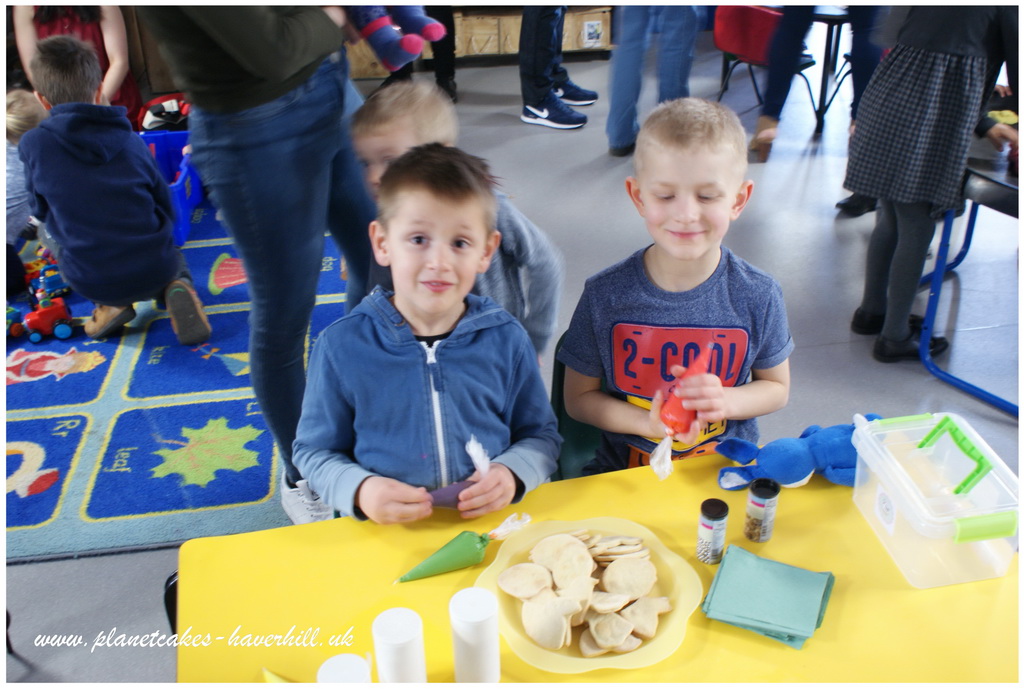
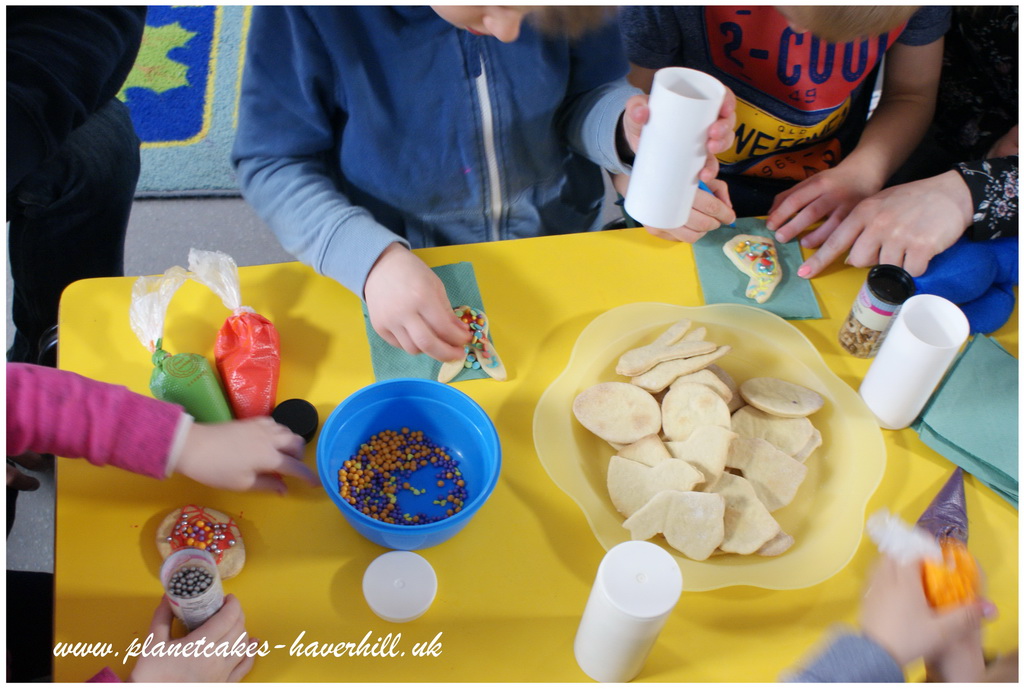
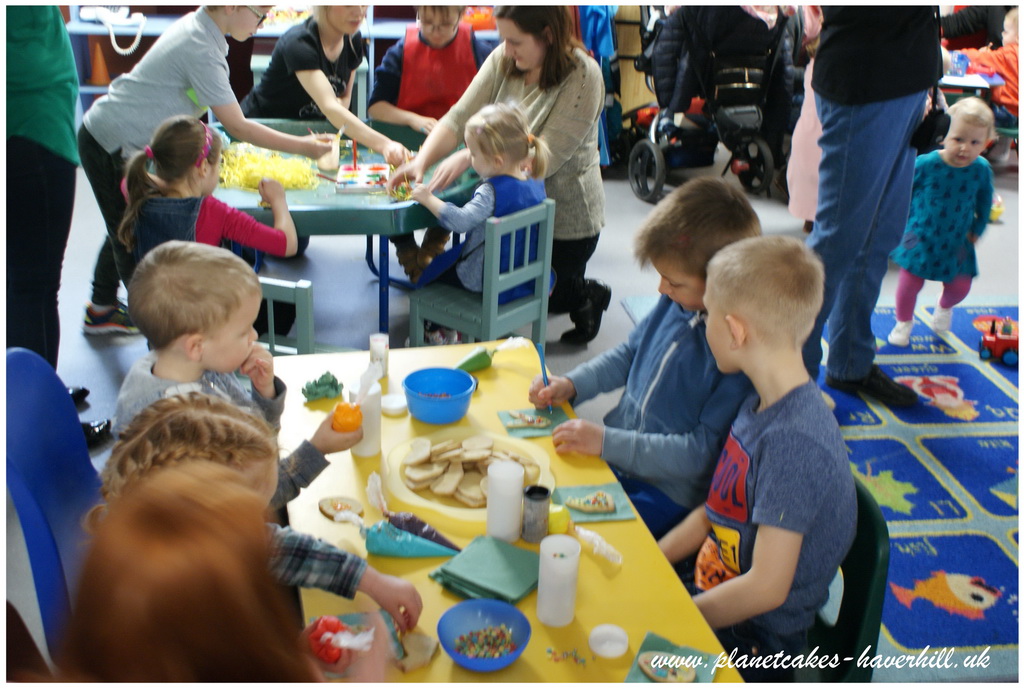
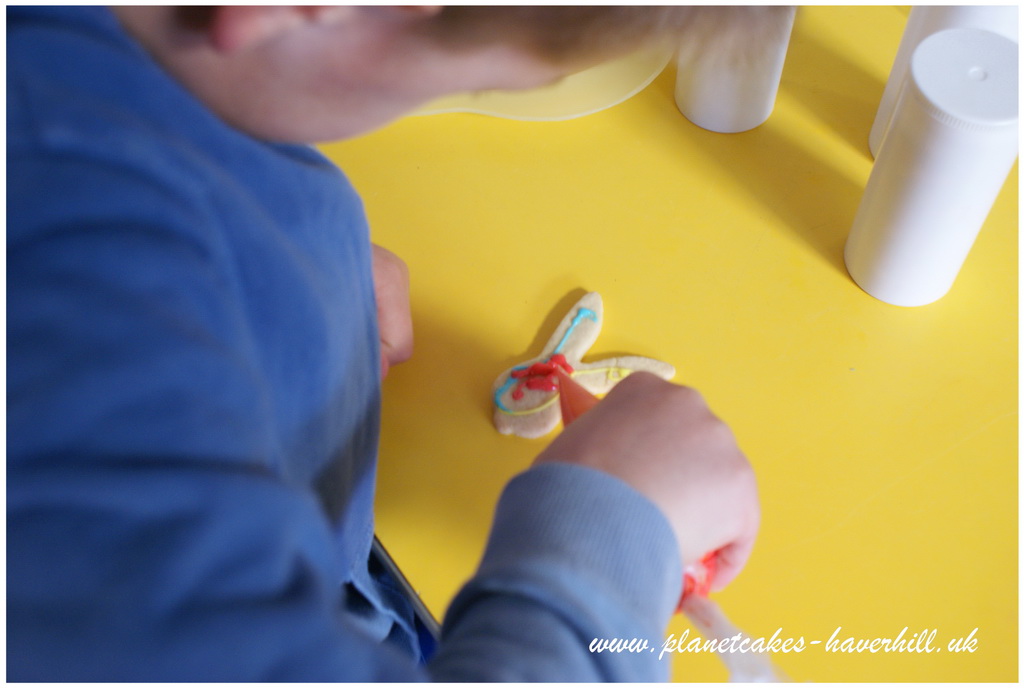
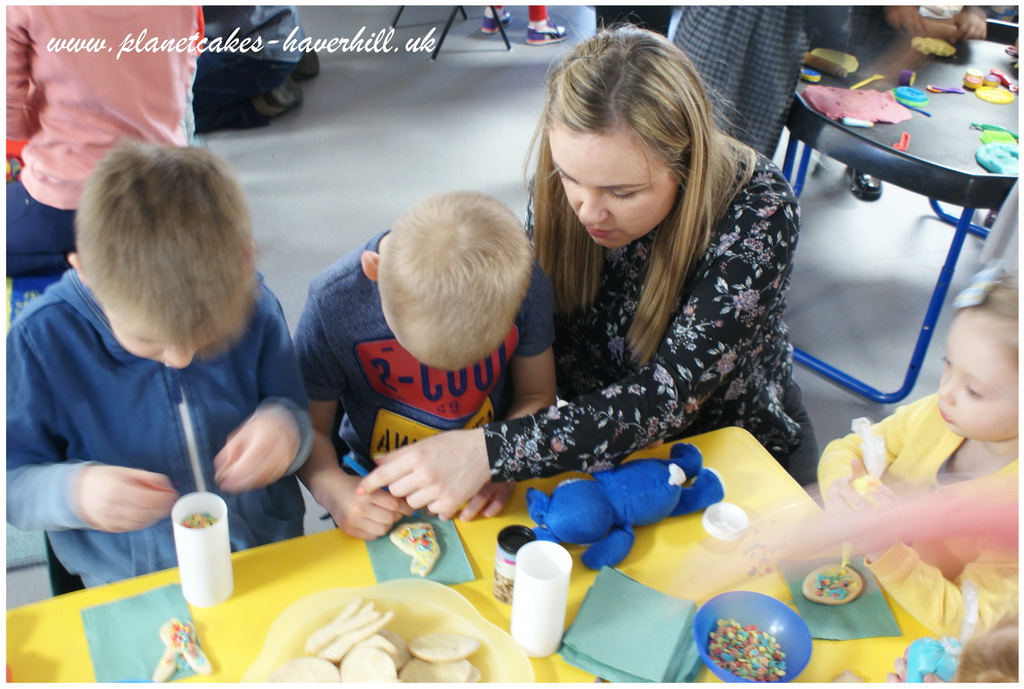
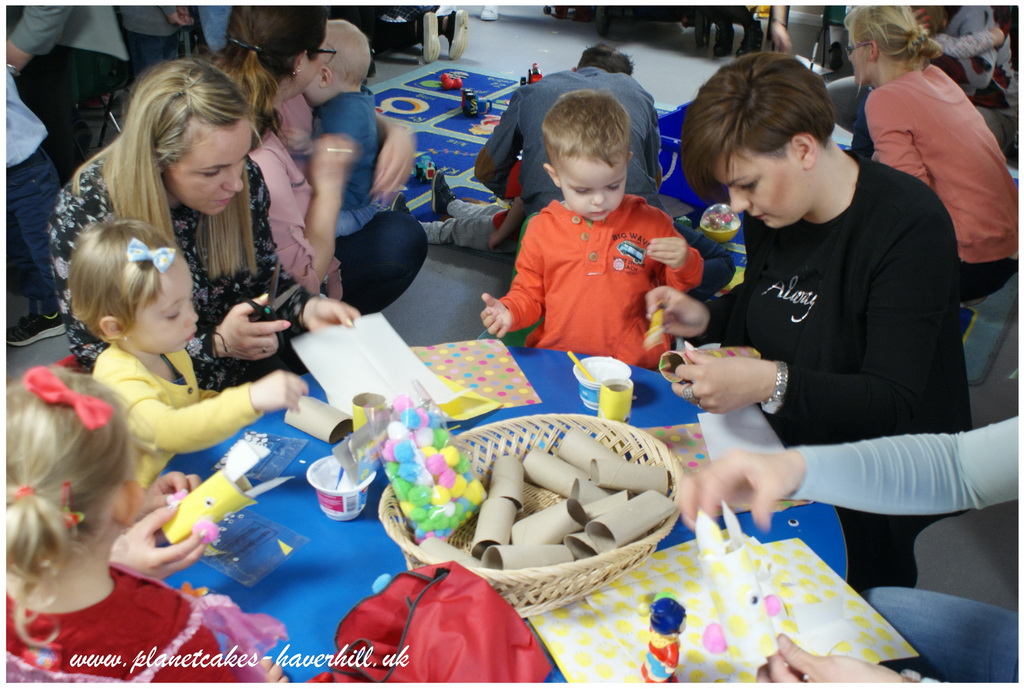
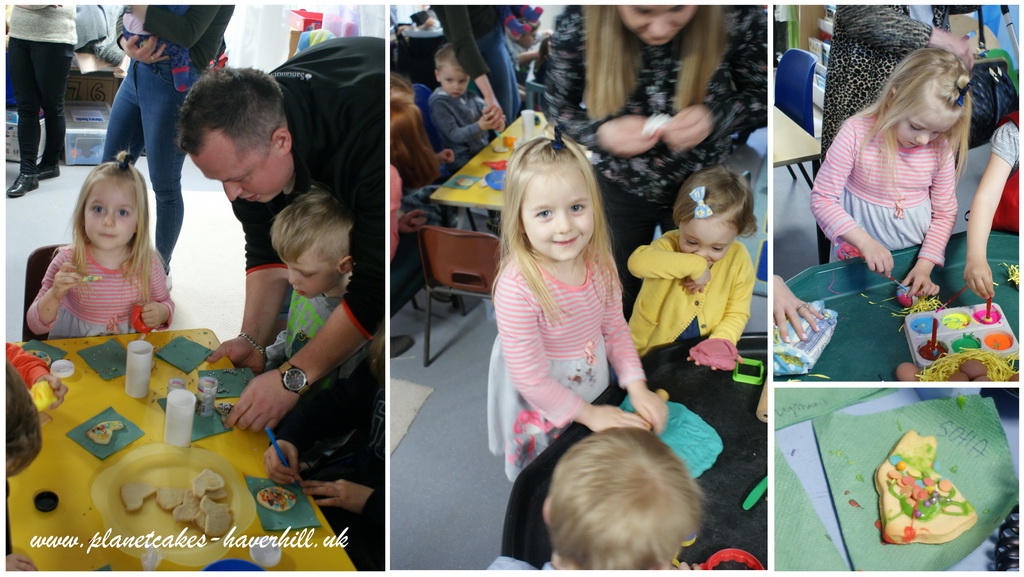
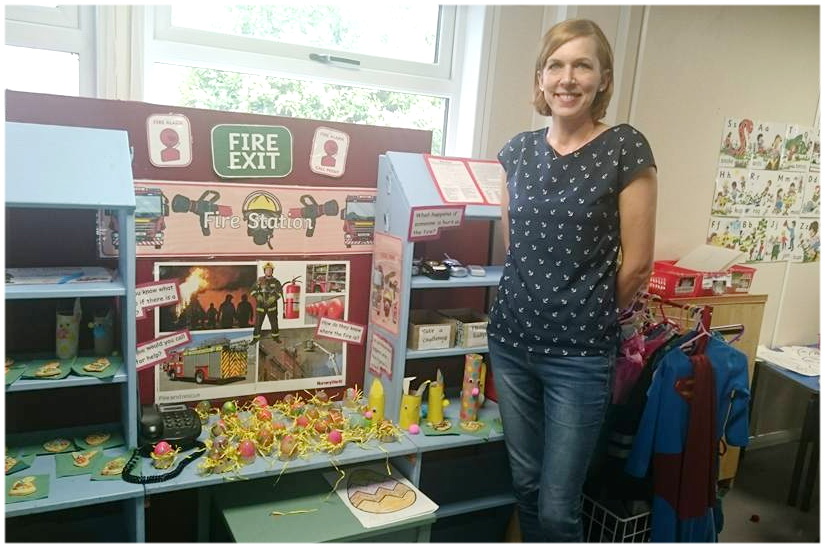
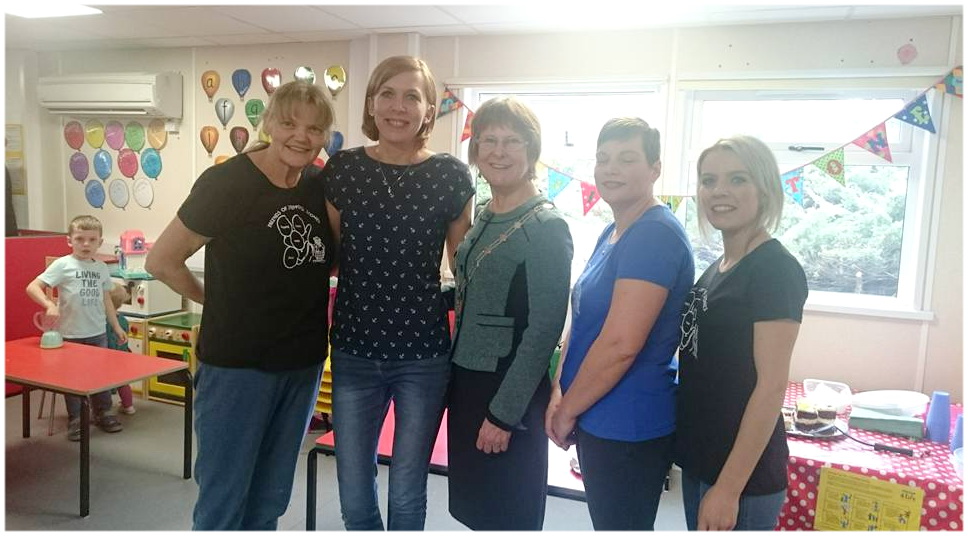
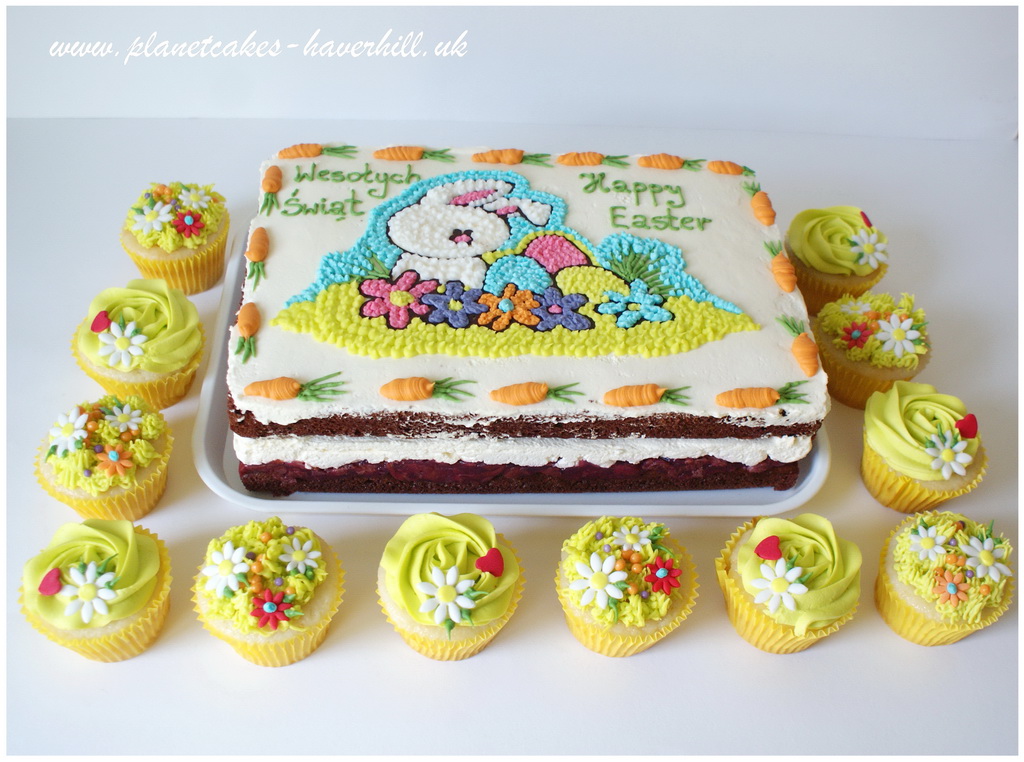
Stepping Stones, in Chalkstone Way, held its first ever Polish community coffee morning on Saturday which attracted 75 people including the Mayor of St Edmundsbury Julia Wakelam.

Polish Easter Traditions
Poland is a country full of unique traditions and customs, especially when it comes to holidays. As Easter is the most important holiday, even more than Christmas, we would like to tell you a few things about it so you won’t be surprised if you get a chance to celebrate it in Poland
As you might know the entire week before Easter is called Holy Week, and during that time there’s a lot of things going on here.
Ash Wednesday / Sroda Popielcowa
The Polish Easter celebrations, begin with Ash Wednesday. Most of the Poles try to go to the church for the mass, where priests mark their heads with a cross of ashes while saying: Remember, man thou art dust and to dust thou shall return”.
Lent / Wielki Post
For Polish Catholics, Lent is the most reflective spiritual season. During this time people are fasting, going to the confession, praying and visiting the specially decorated churches to see “Our Lord’s Grave”. Each parish strives to come up with the most artistically and religiously evocate arrangement in which the Blessed Sacrament, draped in a filmy veil, is prominently displayed
Palm Sunday / Niedziela Palmowa
On this day people bring the puss willows branches or other custom made wild flowers bouquets instead of palms to the church for the blessing. Some older folks say that swallowing one of the buds from the puss willows branch will ensure health all year. Parishioners processed with the palms through the streets around the parish, celebrating the triumphant entry of Jesus into Jerusalem. Blessed “palms” are taken home and placed by the crucifix or holy images, and remain there until the next year.
Holy Saturday- Blessing of the Easter baskets – “Swieconka”
On Saturday people take to churches decorated baskets (Swieconka) containing a sampling of traditional food to be blessed. Swieconka is one of the most enduring and beloved Polish traditions. On Saturday people take to churches decorated baskets containing a sampling of traditional food to be blessed: hard-boiled shelled eggs, ham, sausage, salt, horseradish, fruits, bread and cake. Prominently displayed among these is the Easter lamb, usually molded from butter or sugar and colorful pisanki. The food have a symbolic meaning, for example:
* eggs – symbolize life and Christ’s resurrection,
* bread – symbolic of Jesus,
* lamb – represents Christ,
* salt – represents purification,
* horseradish – symbolic of the bitter sacrifice of Christ,
* ham – symbolic of great joy and abundance.
The food blessed in the church remains untouched until Sunday morning.
Easter Sunday / Wielka Niedziela
On Easter morning, a special Resurrection Mass is celebrated in every church in Poland. At this Mass, a procession of priests, altar boys and the people circles the church three times while the church bells peal and the organ is played for the first time since they had been silenced on Good Friday. Following the Mass, people return home to eat the food blessed the day before.
The Easter table will be covered with a white tablecloth. The white tablecloth is indicative of the white swaddling cloth with which Our Lord was wrapped when he was placed in the Holy Sepulcher. There is also tradition to share blessed eggs with the members of the family and wish each other good health, happiness for the rest of the year.
Easter Eggs – Pisanki
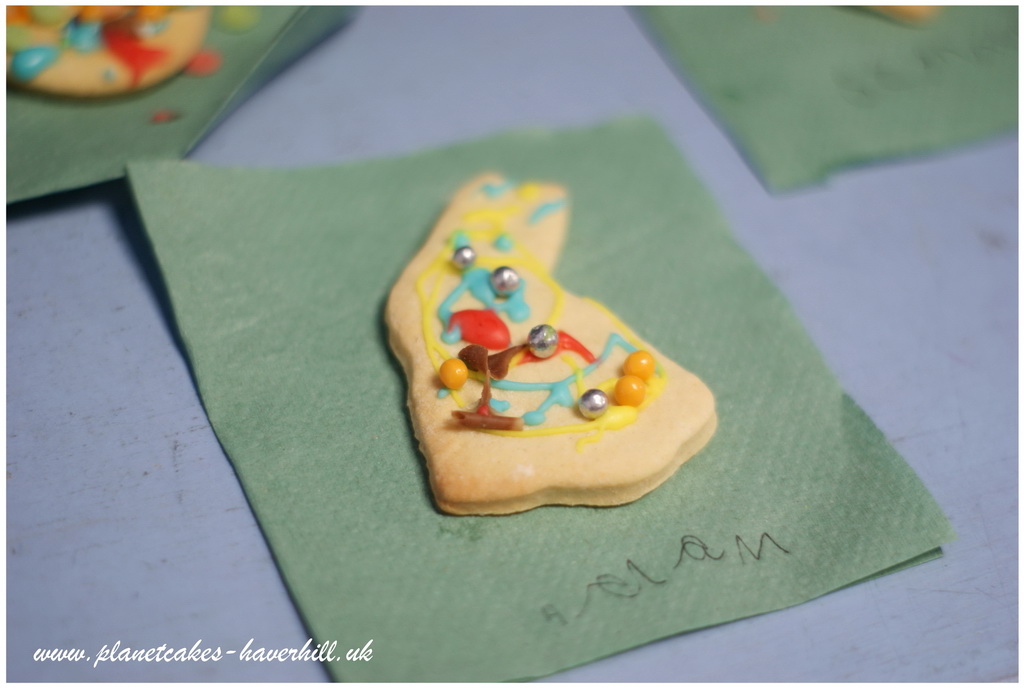
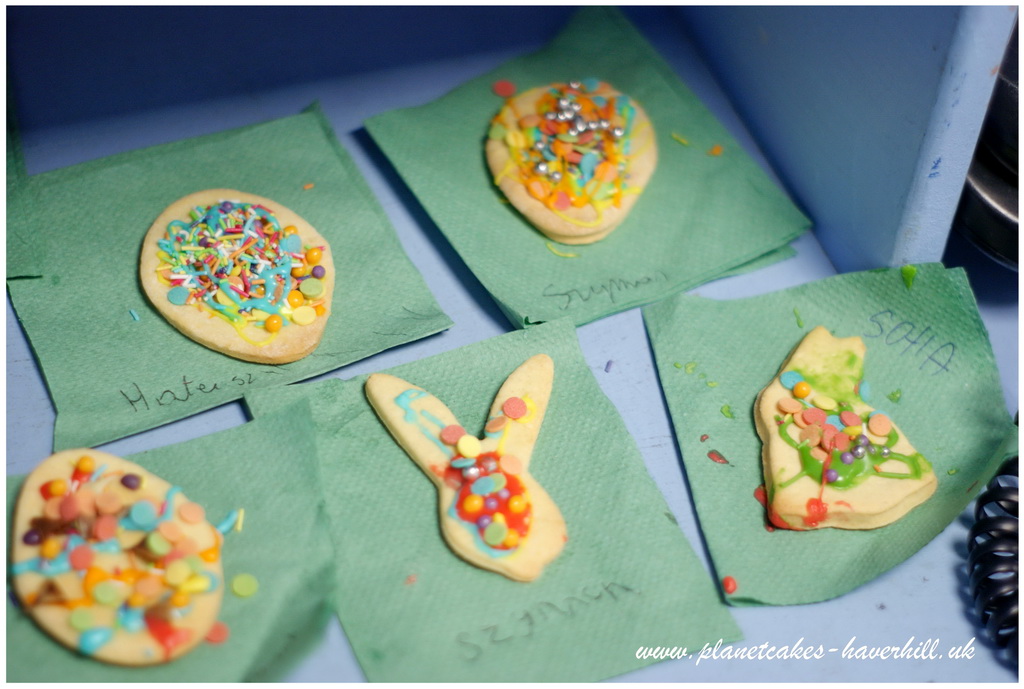
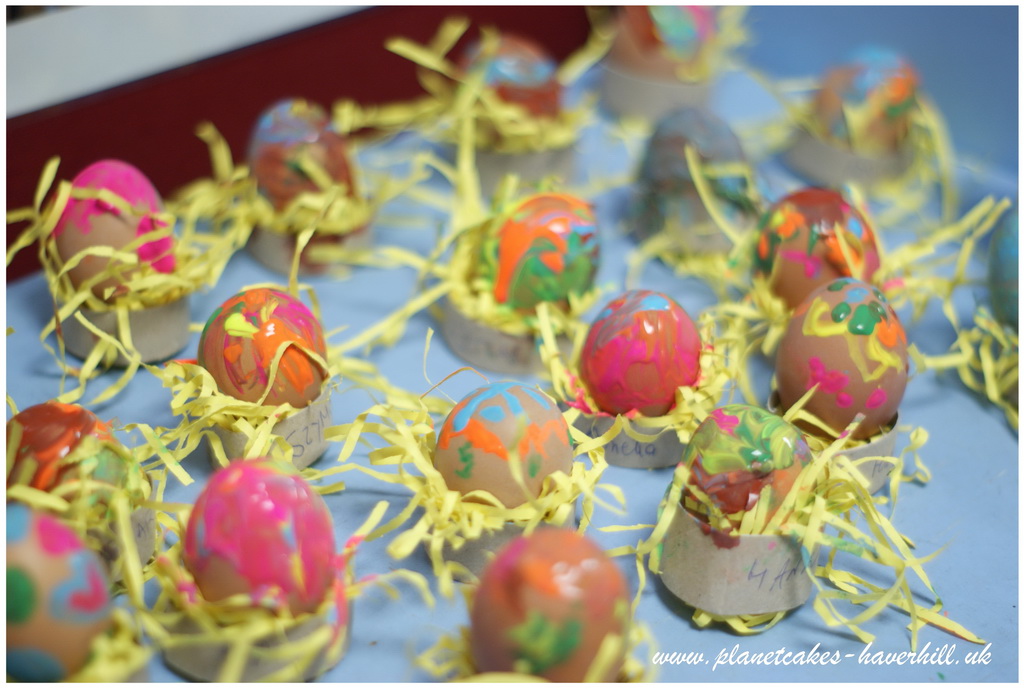
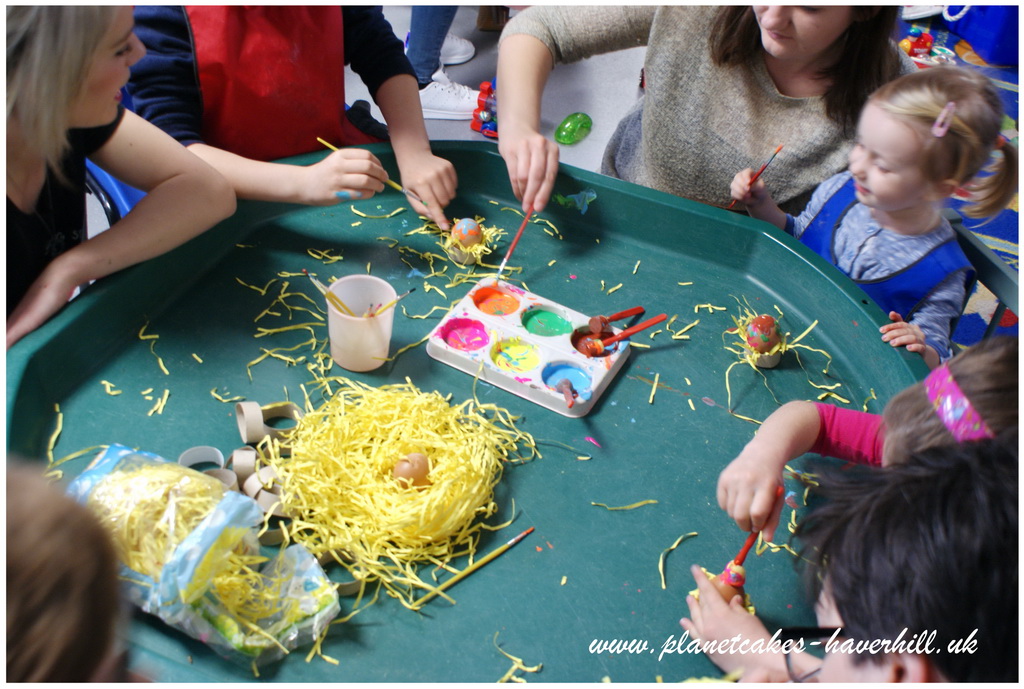
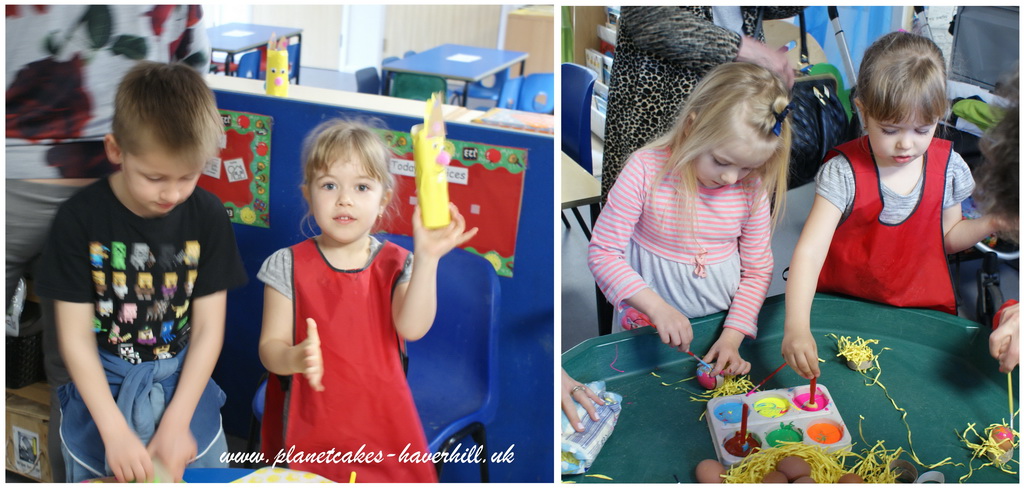
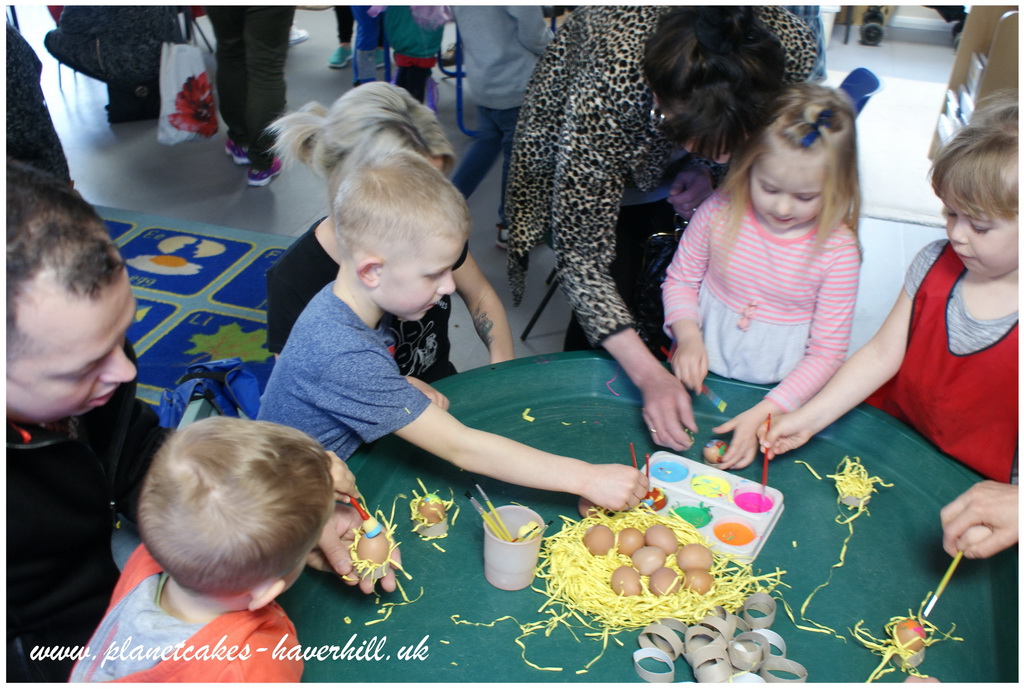
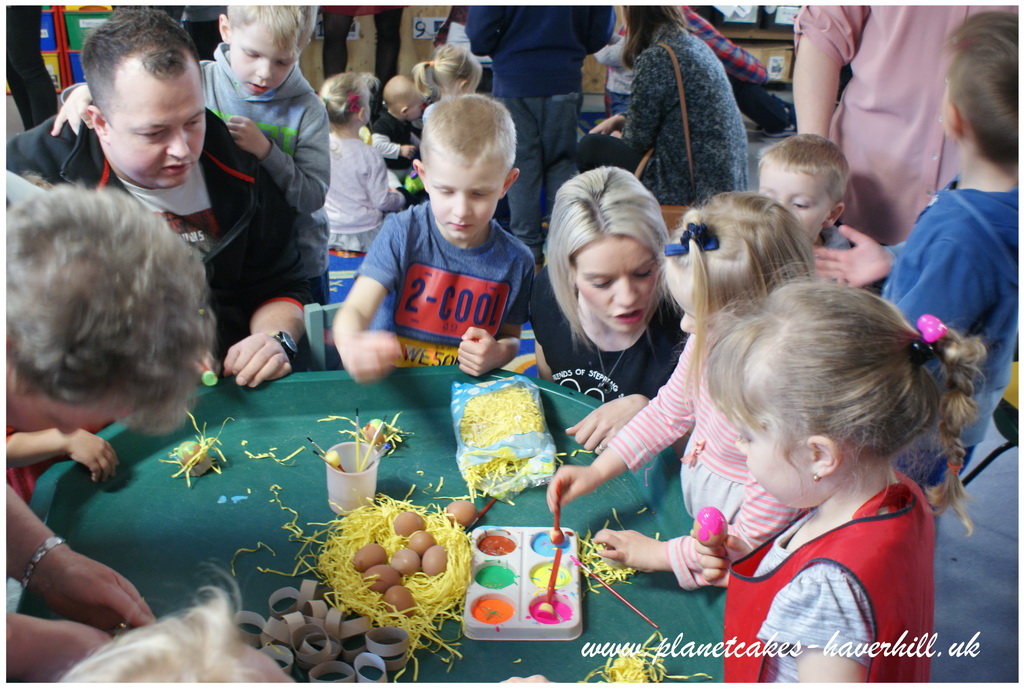
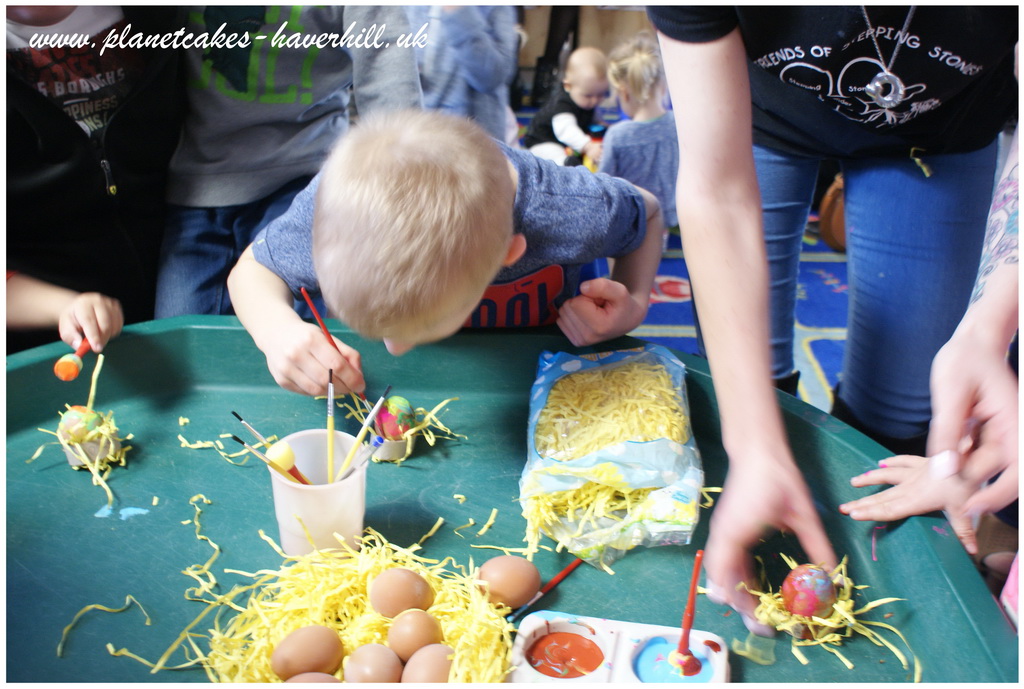
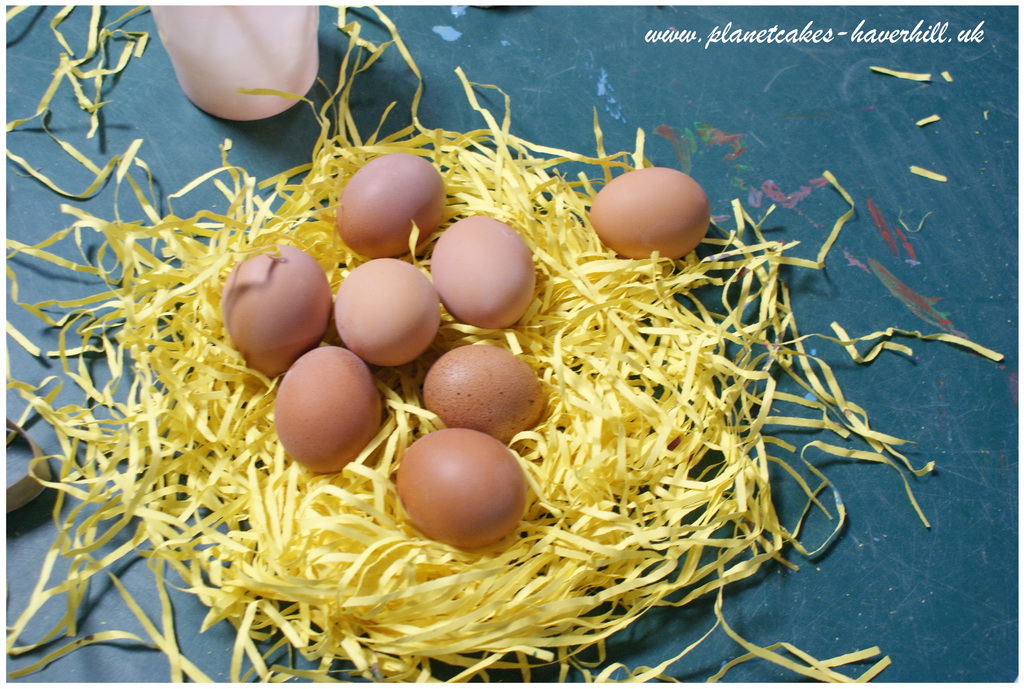
In Poland eggs are not only used as food on the table. As well, they’re an important part of the Easter tradition. Children decorate them with paints, crayons, stickers, tissue-paper etc. After they’re ready they are used as a decoration for the Easter table and they’re also a part of the Easter bucket.
Easter Bunny- Zajac Wielkanocny
Easter in Poland isn’t really about gifts like Christmas is for example but there is a little room for small presents for children. It is said that the giant Easter Bunny travels from house to house and he hides sweets somewhere in the children’s room during the night before Holy Sunday.
Wet Monday – Lany Poniedzialek or “Smingus-Dyngus”
Now the real fun begins – if you’re a girl you better read these words carefully! This is a day when young boys set up small (ok…not small. huge.) groups and they hunt for girls to…use their water guns against them. That’s right – they literally do everything they can to make them all wet. Don’t be surprised when you see a small boy running around with the big bucket of water ready to pour it out on a random girl he sees. The most dangerous places during that day? Churches, parks, small streets, squares…well to be honest, you can’t feel 100% safe anywhere ;). What are Foreigners in Poland’s tips for you? Don’t leave home alone unless…you carry a huge water gun with yourself to fight back!